Exploring the 2026 Trauma Therapy Workbook: A Holistic Approach to Healing
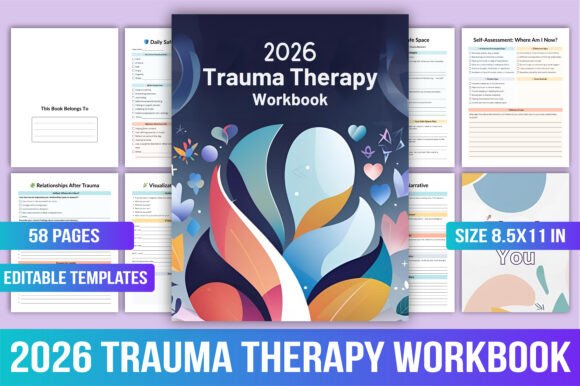
The journey toward emotional healing after trauma is complex, deeply personal, and often requires a structured yet flexible approach. The 2026 Trauma Therapy Workbook stands out as a comprehensive resource designed to support individuals navigating the intricate process of recovery. This printable workbook offers a blend of therapeutic techniques, reflective exercises, and practical tools that empower users to reclaim their sense of safety, self-compassion, and emotional well-being.
Understanding the Science of Trauma and Its Impact
Before diving into the practical aspects of the 2026 Trauma Therapy Workbook, it's essential to understand the science behind trauma. Trauma can affect both the brain and body, leading to heightened stress responses, emotional dysregulation, and even physical symptoms. The workbook begins by providing foundational insights into how trauma alters neural pathways and disrupts the body’s natural ability to regulate emotions and stress.
By integrating neuroscience with therapeutic practices, the workbook helps users grasp the biological underpinnings of their experiences. This knowledge is crucial for fostering self-awareness and reducing shame or confusion around symptoms. For example, understanding how the amygdala becomes hyperactive in response to triggers can help individuals recognize and manage their reactions more effectively.
Guided Journaling Prompts for Reflection and Insight
One of the standout features of the 2026 Trauma Therapy Workbook is its collection of guided journaling prompts. These prompts are carefully crafted to encourage introspection without overwhelming the user. They invite individuals to explore their past, present, and future in a safe and supportive environment.
For instance, a prompt might ask, “What was one moment that felt particularly overwhelming, and how did your body respond?” Such questions help users connect their emotional experiences with physical sensations, which is a key aspect of trauma processing. Over time, this practice can lead to greater clarity and a deeper understanding of one’s own resilience.
These prompts are not just about reflection; they also serve as a tool for building narrative control. By writing about their experiences, users can begin to reframe painful memories and develop a more compassionate view of themselves. This process is especially valuable for those who may feel disconnected from their own stories.
Safety Grounding Tools for Emotional Regulation
Emotional regulation is a critical component of trauma recovery, and the 2026 Trauma Therapy Workbook provides a variety of grounding tools to help users stay centered. These include daily safety plans, body scans, and mindfulness exercises that can be used during moments of distress.
For example, the workbook includes a section on 5-4-3-2-1 grounding technique, which encourages users to focus on their immediate surroundings. This simple yet effective method helps bring attention back to the present moment, reducing the intensity of traumatic flashbacks or panic attacks.
Additionally, the workbook offers a range of body scan exercises that guide users through a mindful exploration of their physical sensations. This practice can help identify areas of tension or discomfort, allowing for targeted relaxation strategies. These tools are especially useful for individuals who experience hypervigilance or chronic anxiety as part of their trauma response.
Emotional Awareness Charts for Tracking Progress
Tracking emotional patterns is another important feature of the 2026 Trauma Therapy Workbook. The workbook includes charts and templates that allow users to monitor their mood, triggers, and flashbacks over time. This data-driven approach fosters a sense of empowerment and progress, as users can see how their coping strategies are impacting their emotional state.
For instance, a mood tracker enables users to record their feelings throughout the day, identifying patterns that may be linked to specific events or environments. This awareness can lead to more proactive management of triggers and a better understanding of what supports emotional stability.
Similarly, the workbook provides space for users to note recurring triggers and reflect on how they responded. This practice not only enhances self-awareness but also builds a foundation for developing healthier coping mechanisms over time.
Healing Exercises for Self-Compassion and Emotional Safety
Self-compassion is a cornerstone of trauma recovery, and the 2026 Trauma Therapy Workbook incorporates various healing exercises to nurture this aspect of healing. Affirmations, letter-writing exercises, and calming routines are all included to help users cultivate kindness toward themselves.
Writing a self-compassion letter is one such exercise that allows users to express gratitude and forgiveness toward themselves. This practice can be particularly healing for those who have experienced self-criticism or guilt as part of their trauma journey. The act of writing down affirmations reinforces positive self-talk and gradually shifts internal narratives.
In addition to written exercises, the workbook includes guided breathing techniques and progressive muscle relaxation. These practices are designed to promote calmness and reduce physiological arousal, making them ideal for use during moments of high stress or anxiety.
Boundary and Relationship Tools for Healthy Interactions
Trauma can significantly impact relationships, often leading to difficulties with trust, communication, and setting boundaries. The 2026 Trauma Therapy Workbook addresses these challenges by offering tools to help users build healthy boundaries and navigate relationships with greater confidence.
One of the key exercises involves identifying personal needs and learning to communicate them assertively. This skill is vital for maintaining healthy connections while protecting one’s emotional well-being. For example, users are encouraged to practice phrases like, “I need some space right now,” which can be used in situations where emotional overwhelm is likely.
The workbook also includes scenarios and role-play exercises to help users practice boundary-setting in different contexts. These exercises are particularly beneficial for individuals who may struggle with saying no or expressing their needs in a clear and respectful manner.
Bonus Resources for Comprehensive Support
In addition to the core content, the 2026 Trauma Therapy Workbook includes a variety of bonus resources to enhance the user experience. These include printable calendar pages, planners, mood trackers, meal planners, and vision boards. These tools provide a holistic approach to self-care, supporting both mental and physical well-being.
The editable Canva link included in the workbook allows users to customize their planner to match their personal preferences and lifestyle. This flexibility ensures that the workbook remains relevant and adaptable to individual needs. The ready-to-upload PDF files and JPG images make it easy for users to print and use the materials in a physical format, adding a tactile element to the healing process.
Conclusion
The 2026 Trauma Therapy Workbook is more than just a collection of exercises—it is a comprehensive guide that supports individuals on their journey toward healing. By combining scientific insight with practical tools, it empowers users to take charge of their emotional well-being in a safe and structured way.
Whether used independently or in conjunction with therapy, this workbook offers a valuable resource for anyone seeking to process trauma, manage triggers, and reclaim inner peace. Its thoughtful design, user-friendly layout, and emphasis on self-compassion make it an invaluable tool for those navigating the complexities of recovery.