Human Anatomy Coloring Pages: A Creative Tool for Learning and Engagement
In an era where digital screens dominate our attention, the tactile experience of coloring remains a powerful educational tool. Human Anatomy Coloring Pages offer a unique blend of creativity and learning, making them ideal for young minds eager to explore the human body in a fun and interactive way. These pages are more than just a pastime—they are a gateway to understanding anatomy through play.
The Rise of Hands-On Learning in Early Education
Modern educational practices increasingly emphasize hands-on learning and interactive engagement, especially in early childhood development. As educators and parents seek effective ways to foster curiosity and knowledge, Human Anatomy Coloring Pages have emerged as a valuable resource. By combining art with science, these pages encourage children to explore complex topics like body parts and organs in a simple, accessible format.
The popularity of such materials aligns with current trends in play-based learning, where education is not confined to textbooks but extended into creative activities. This shift reflects a broader movement toward experiential learning, where students learn by doing rather than merely reading or listening. For preschoolers and early elementary students, this approach helps build foundational skills in literacy, numeracy, and observation—all while fostering a love for science.
Why Human Anatomy Coloring Pages Matter Today
One of the key reasons Human Anatomy Coloring Pages resonate with today’s learners is their ability to make abstract concepts tangible. Through tracing, coloring, and matching exercises, children can visualize how different parts of the body function together. This visual and kinesthetic learning style is particularly effective for young learners who may struggle with traditional methods of instruction.
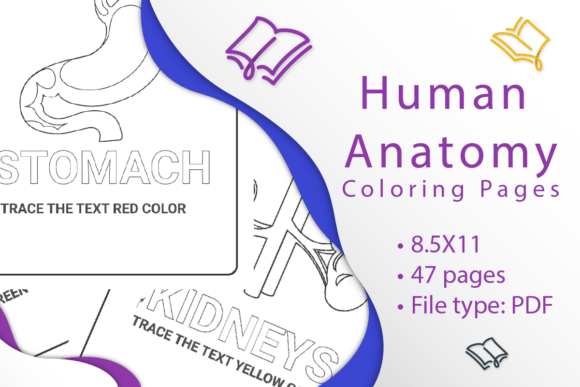
Moreover, the rise of homeschooling and online learning has increased the demand for flexible, self-directed educational tools. Human Anatomy Coloring Pages fit seamlessly into this landscape, offering a no-prep, printable solution that can be used at home or in the classroom. The 47-page workbook includes a variety of activities such as counting body parts, identifying organs, and matching shadows—each designed to reinforce learning through repetition and engagement.
For educators, these pages provide a versatile addition to curriculum planning. Whether used during quiet time, as part of a science unit, or as a rainy day activity, they offer a structured yet flexible way to introduce anatomy concepts. The inclusion of trace-and-color words and outlines also supports early literacy development, helping children associate written language with visual representations.
Designing for Early Learning and Fine Motor Development
At the heart of Human Anatomy Coloring Pages is a focus on early learning and fine motor development. The black-and-white design allows for easy printing and customization, ensuring that each page is both printer-friendly and adaptable to different skill levels. Activities like tracing and coloring help strengthen hand-eye coordination and dexterity, which are crucial for writing and other fine motor tasks.
Additionally, the pages are designed with developmental appropriateness in mind. With a focus on preschool, kindergarten, and early elementary ages, the content is carefully curated to match the cognitive and physical abilities of young learners. This thoughtful design ensures that children remain engaged without feeling overwhelmed, promoting a positive learning experience.
For parents and educators, this means that Human Anatomy Coloring Pages can be integrated into daily routines with minimal effort. The no-prep format makes it easy to incorporate into homeschooling schedules or classroom centers, allowing for consistent learning without the hassle of preparation.
Adapting to Modern Workflows and User Expectations
As technology continues to shape how we access information and engage with educational content, the demand for digital resources has grown significantly. Human Anatomy Coloring Pages meet this need by offering a PDF digital download, which can be accessed instantly and printed at home. This convenience aligns with modern workflows that prioritize efficiency and flexibility.
Furthermore, the product’s emphasis on user experience is evident in its design choices. The US Letter size (8.5x11 inches) ensures compatibility with standard printers, while the black-and-white format reduces ink usage and costs. These practical considerations make the workbook accessible to a wide range of users, from homeschooling families to teachers looking for cost-effective classroom materials.
For professionals in education, marketing, and content creation, Human Anatomy Coloring Pages present opportunities for innovation. They can be used as part of educational campaigns, product bundles, or interactive learning kits that cater to diverse audiences. The versatility of the material allows for creative applications beyond the original scope, opening up new avenues for engagement and monetization.
Practical Implications for Users and Creators
From a user perspective, Human Anatomy Coloring Pages offer a unique combination of entertainment and education. Children can enjoy the process of coloring while simultaneously building knowledge about the human body. This dual benefit makes the activity both rewarding and enriching, encouraging a lifelong interest in science and learning.
For creators and educators, the workbook serves as a template for developing similar resources. Its structure and content can be adapted to create specialized materials tailored to specific age groups or learning objectives. This adaptability highlights the importance of modular design in educational products, enabling users to customize content to suit their needs.
Additionally, the success of Human Anatomy Coloring Pages underscores the growing market for edutainment—a category that blends education with entertainment. As consumers become more discerning about the quality and value of educational products, there is a clear demand for materials that are both informative and enjoyable. This trend is likely to continue, driving further innovation in the field of educational content.
Conclusion
Human Anatomy Coloring Pages represent a thoughtful approach to early learning that bridges the gap between creativity and education. By integrating hands-on activities with scientific exploration, these pages offer a valuable tool for children, educators, and parents alike. As the demand for engaging, interactive learning solutions continues to grow, the role of such resources will only become more prominent in shaping the future of education.