Japanese Writing Paper: Everything You Need to Know
Japanese writing paper is more than just a medium for writing—it's a cultural artifact that reflects the aesthetics, traditions, and practical needs of Japan. Whether you're an artist, student, or business professional, understanding Japanese writing paper can enhance your creative expression, academic work, or even your everyday tasks. In this article, we'll explore what Japanese writing paper is, its uses, and why it remains relevant in today’s world.
What Is Japanese Writing Paper?
Japanese writing paper, known as washi (和紙), is a traditional handmade paper made from natural fibers such as mulberry, gampi, or kozo. Unlike mass-produced paper, washi has a unique texture, color, and durability that makes it highly valued in both art and practical applications.
Washi has been used in Japan for centuries, dating back to the Heian period (794–1185). It was originally crafted by artisans using simple tools and techniques passed down through generations. Today, while modern paper dominates most markets, washi continues to be cherished for its quality and aesthetic appeal.
Types of Japanese Writing Paper
- Kozo Washi: Made from the inner bark of the mulberry tree, this type is known for its strength and versatility. It is commonly used for calligraphy, origami, and artistic projects.
- Gampi Washi: Derived from the gampi plant, this paper has a finer texture and is often used for delicate artworks and bookbinding.
- Mitsumata Washi: Made from the leaves of the mitsumata plant, this paper is lighter and more translucent, making it ideal for watercolor painting and intricate designs.
The Significance of Japanese Writing Paper
Japanese writing paper holds deep cultural significance. It is not only a material but also a symbol of craftsmanship, tradition, and mindfulness. In Japan, the act of writing on washi is often seen as a meditative practice, emphasizing the connection between the writer and the medium.
Moreover, washi is deeply embedded in Japanese culture. It is used in rituals, ceremonies, and festivals. For example, during Shinto ceremonies, washi is often used to create sacred objects such as kagami (mirror) or shide (paper streamers). These practices highlight the spiritual and symbolic importance of washi in Japanese society.
Practical Uses of Japanese Writing Paper
While washi may seem like a niche product, it has a wide range of practical applications in both personal and professional settings:
- Calligraphy: Many Japanese calligraphers prefer washi for its smooth surface and ability to absorb ink evenly.
- Art and Design: Artists use washi for sketching, watercolor painting, and creating mixed-media collages.
- Business and Education: Some companies and schools use washi for formal documents, invitations, and educational materials to convey a sense of elegance and authenticity.
- Crafts and DIY Projects: Washt paper is popular among crafters for making journals, notebooks, and decorative items.
Why Japanese Writing Paper Matters in Modern Life
In an age dominated by digital media, the tactile experience of using paper remains irreplaceable for many. Japanese writing paper offers a unique blend of tradition and modernity, appealing to those who value sustainability, craftsmanship, and authenticity.
One of the key reasons washi continues to be relevant is its sustainability. Unlike conventional paper, which is often made from wood pulp and requires significant chemical processing, washi is produced using natural fibers and eco-friendly methods. This makes it an attractive option for environmentally conscious consumers and businesses.
Additionally, the beauty and uniqueness of washi make it a valuable asset in branding and marketing. Companies that incorporate washi into their packaging or promotional materials often do so to create a distinct identity and connect with customers on an emotional level.
How to Choose the Right Japanese Writing Paper
- Determine Your Purpose: Consider whether you need paper for calligraphy, art, or general use. Each type of washi has different properties suited for specific tasks.
- Check the Weight and Texture: Lighter papers are better for delicate artwork, while heavier papers are more durable for practical use.
- Look for Quality: Authentic washi is handcrafted and may have slight variations in color and texture. These imperfections are part of its charm and value.
- Consider the Finish: Some washi papers have a matte finish, while others may be glossy or textured. Choose based on your project’s requirements.
Where to Buy Japanese Writing Paper
If you’re interested in purchasing Japanese writing paper, there are several options available:
- Specialty Stores: Look for stores that sell traditional crafts, stationery, or art supplies. They often carry a variety of washi types.
- Online Marketplaces: Websites like Etsy, Amazon, and specialized Japanese paper retailers offer a wide selection of washi products.
- Direct from Artisans: Some paper makers sell directly online or at local markets, allowing you to support small businesses and get high-quality products.
Common Misconceptions About Japanese Writing Paper
Despite its popularity, there are some common misconceptions about washi that may prevent people from exploring its potential:
- Myth: Was hi is only for artists. While it is popular among artists, washi is also used in education, business, and everyday life.
- Myth: Was hi is too expensive. While premium washi can be costly, there are affordable options available for casual use.
- Myth: Was hi is fragile and hard to use. With proper care, washi is durable and easy to work with, especially for those familiar with its characteristics.
Conclusion: Embracing the Beauty of Japanese Writing Paper
Japanese writing paper is more than just a material—it’s a bridge between tradition and modernity, artistry and function. Whether you’re an artist, student, or simply someone who appreciates beautiful things, washi offers a unique way to express creativity and connect with history.
As we continue to navigate a fast-paced digital world, the simplicity and elegance of washi remind us of the value of craftsmanship, mindfulness, and authenticity. By incorporating Japanese writing paper into our lives, we not only preserve a cultural heritage but also enrich our own experiences and surroundings.
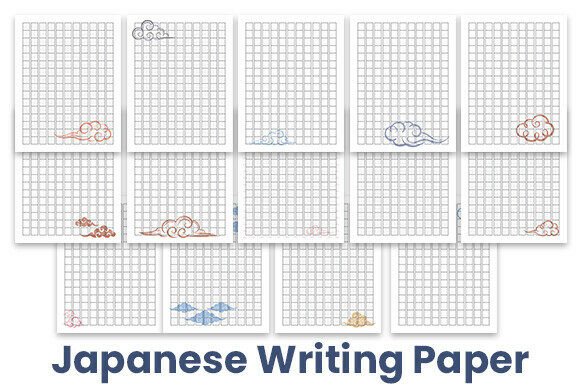
If you're looking to explore Japanese writing paper, consider downloading AI files, PDFs, SVGs, and high-resolution images to bring your projects to life. With 14 pages, CMYK color, and 300 DPI, these resources are perfect for professionals, educators, and creatives alike.